Serengeti National Park
Tanzania’s most famous national park, covering 14,750 sq km of endless savannah and hosting the world’s greatest wildlife migration.
Ngorongoro Crater
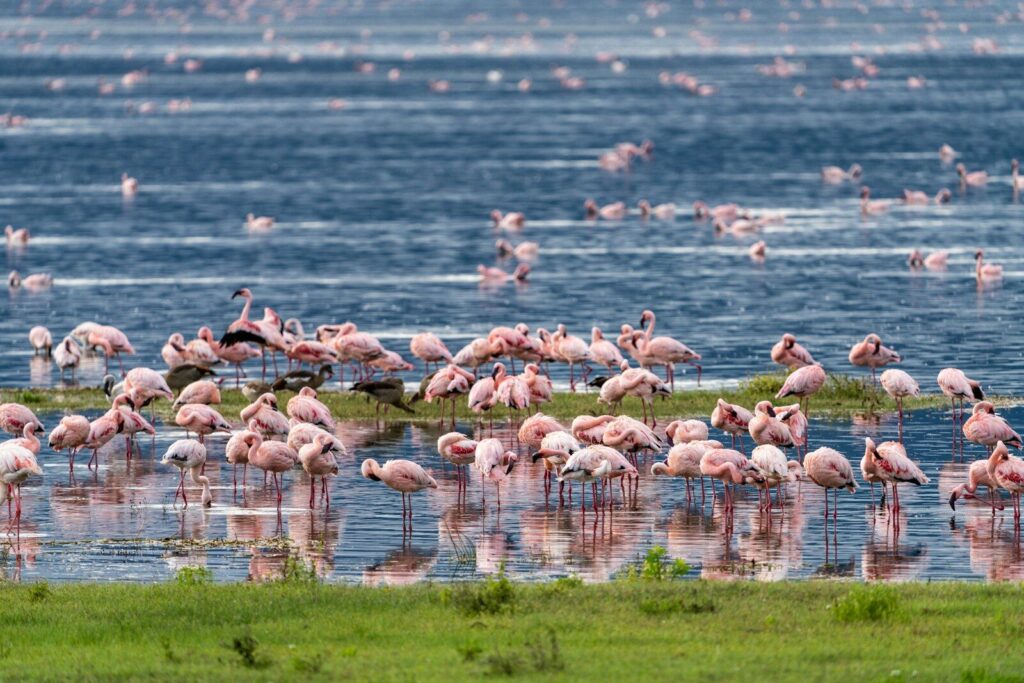
The world’s largest intact volcanic caldera, forming a natural enclosure that supports extraordinary wildlife density including the rare black rhinoceros.
Tarangire National Park
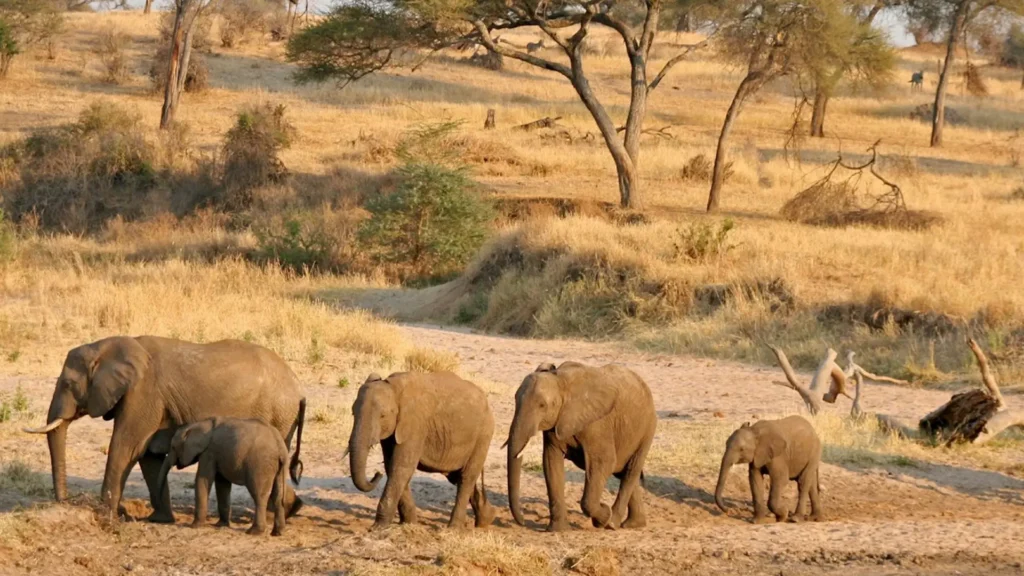
Home to Tanzania’s largest elephant population during the dry season, Tarangire offers spectacular game viewing along the river with iconic baobab landscapes.
Lake Manyara National Park
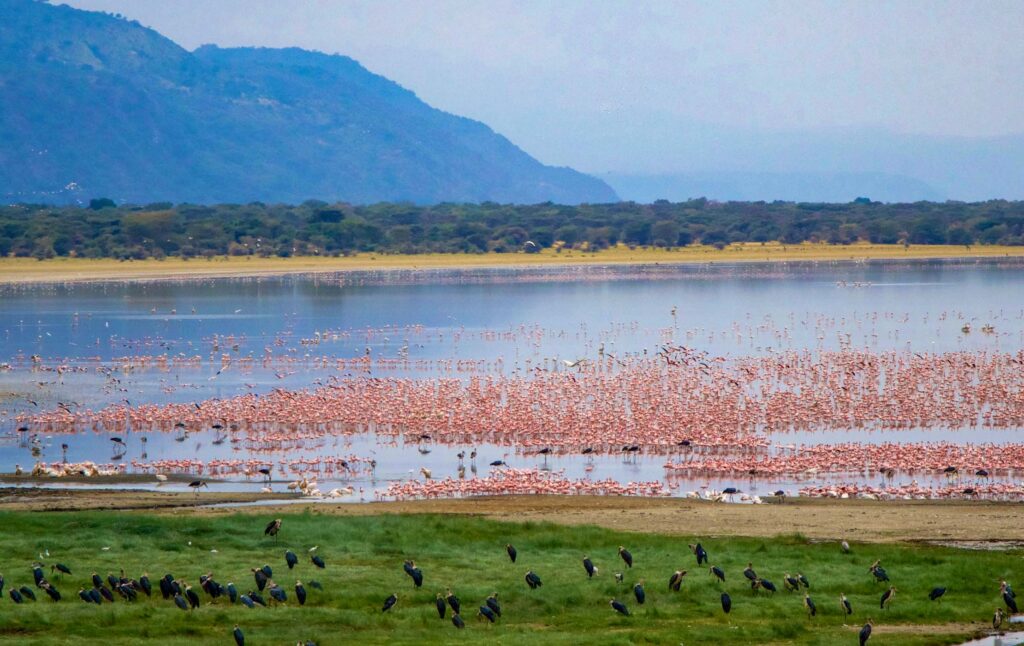
A compact and diverse park at the base of the Rift Valley escarpment, famous for tree-climbing lions, flocks of flamingos, and beautiful groundwater forests.
Arusha National Park
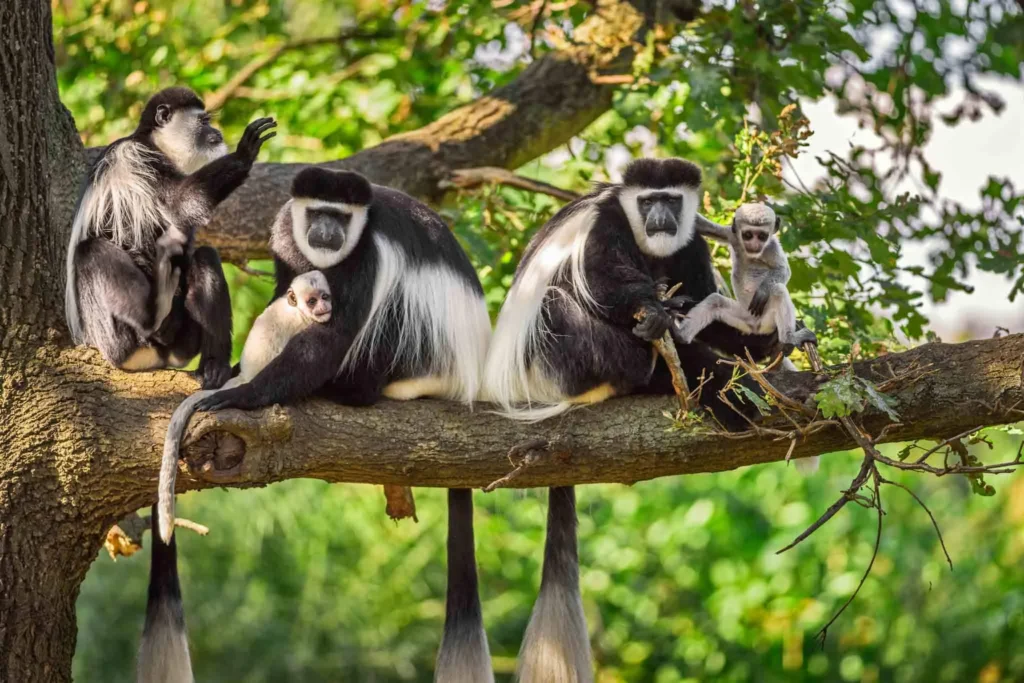
Tanzania’s closest major national park to Arusha, offering walking safaris, Mount Meru trekking, and diverse wildlife within 30 minutes of the city.
Lake Natron
A remote and otherworldly alkaline lake that serves as the primary breeding ground for over a million lesser flamingos, set against the active Ol Doinyo Lengai volcano.
Lake Eyasi
A remote Rift Valley lake offering one of Africa’s most authentic cultural experiences with the Hadzabe hunter-gatherers and the ancient Datoga blacksmith community.
Ngorongoro Conservation Area
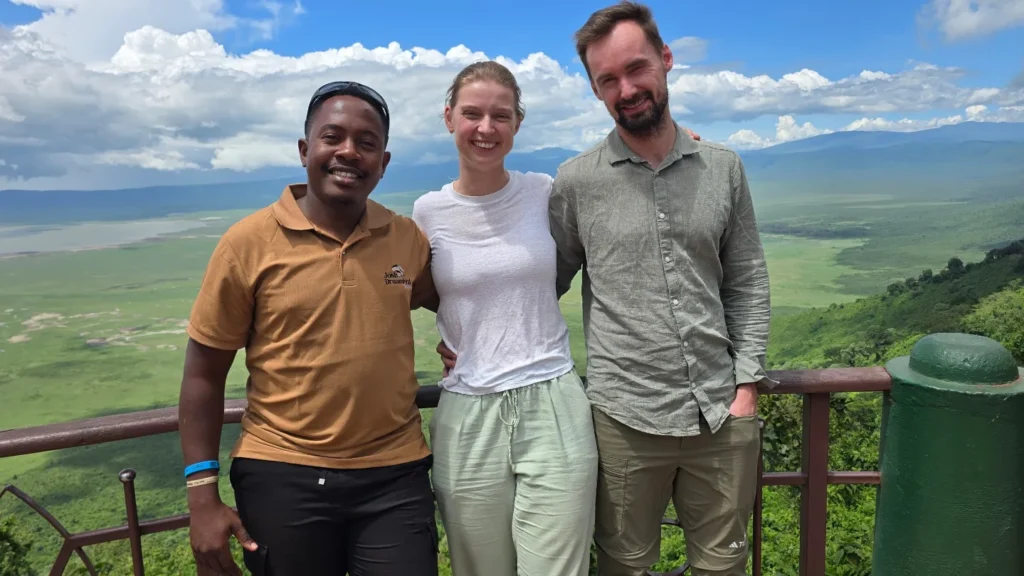
A unique multiple-use conservation area where Maasai pastoralists coexist with wildlife across volcanic craters, highland forests, and open plains.
Mount Kilimanjaro

Africa’s highest mountain at 5,895 meters, offering multiple trekking routes through rainforest, moorland, and alpine desert to the world-famous Uhuru Peak.
Olduvai Gorge
One of the most important paleoanthropological sites in the world, where early human fossils over 1.8 million years old were discovered by Louis and Mary Leakey.