Ngorongoro Conservation Area — Overview
More Than Just the Crater
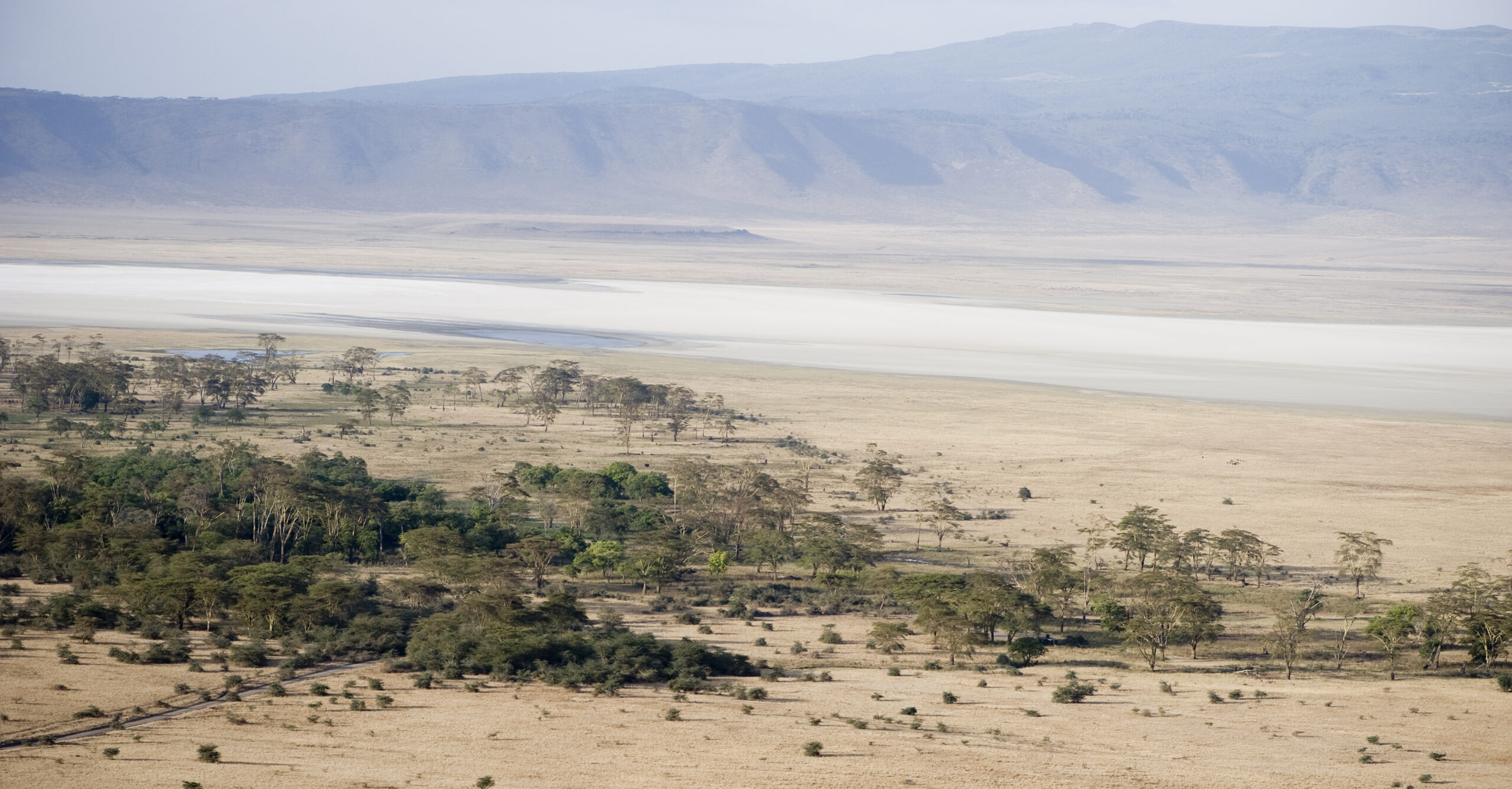
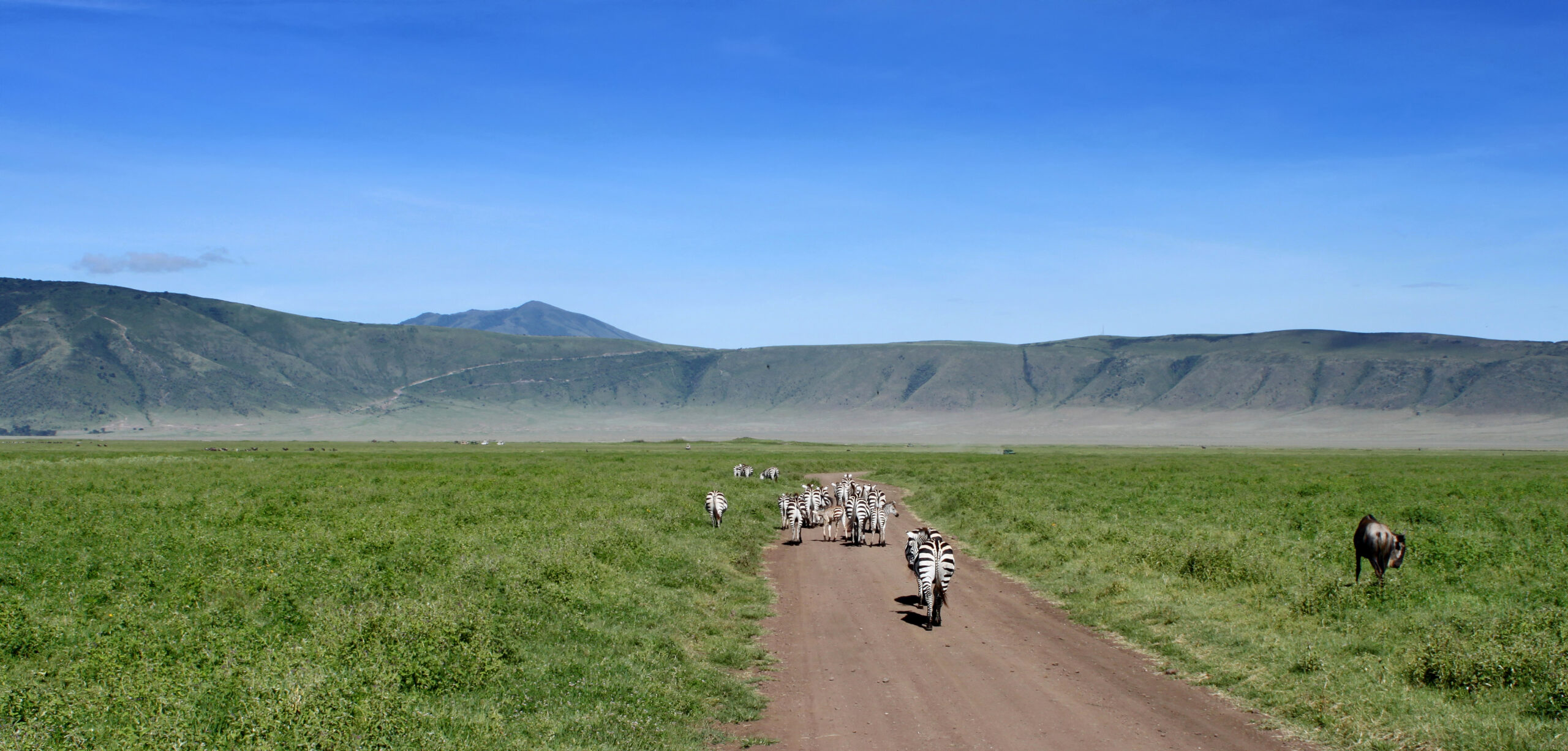
The Ngorongoro Conservation Area covers 8,288 square kilometers and encompasses much more than the famous crater floor. The NCA is unique in Africa as a multiple-use conservation area where Maasai people and their livestock coexist with wildlife across a landscape of highlands, forests, plains, and volcanic features.The Volcanic Landscape
The NCA sits on the floor of the Eastern Rift Valley and contains several volcanic features beyond Ngorongoro Crater. Empakaai Crater is a smaller water-filled caldera accessible by hiking, with flamingos on the lake and colobus monkeys in the surrounding forest. Olmoti Crater offers a rewarding half-day hike to a waterfall. Ol Doinyo Lengai, the active volcano, lies on its northwestern edge.Olduvai Gorge and Human Origins
Olduvai Gorge cuts through the NCA and has produced some of the most important fossil evidence for human evolution ever discovered. The site museum interprets the work of Louis and Mary Leakey and their discovery of Australopithecus boisei and early Homo fossils here, making it an extraordinary stop for anyone with an interest in human prehistory.Maasai Cultural Integration
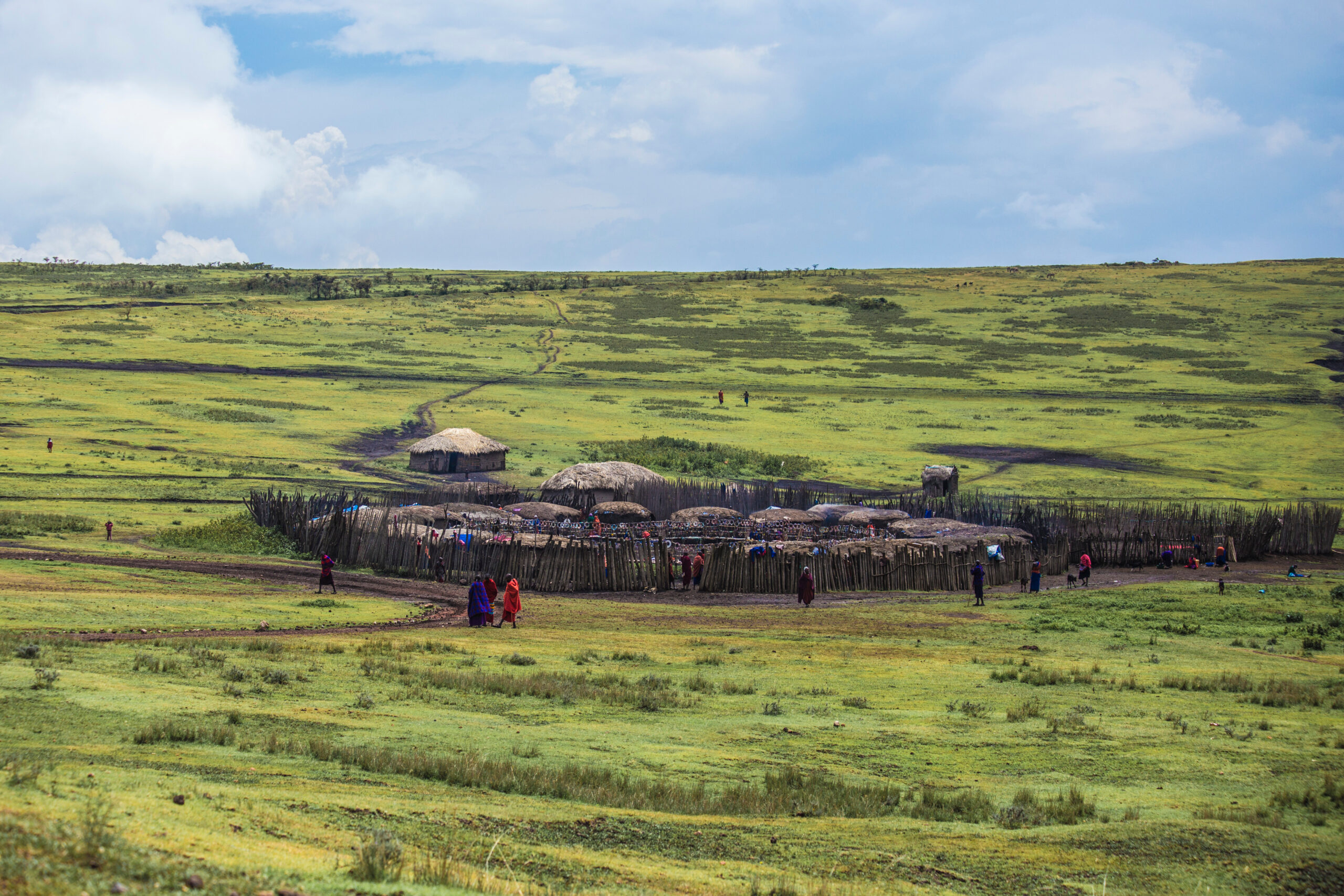
The NCA is home to approximately 100,000 Maasai people who have lived alongside wildlife since the colonial era. Visits to Maasai bomas within the NCA are arranged respectfully and provide insight into livestock-centered pastoral culture, traditional medicine, beadwork, and community life.Key Highlights
✓ Ngorongoro Crater,
✓ Olduvai Gorge,
✓ Empakaai Crater,
✓ Maasai Villages,
✓ Olmoti Crater,
Photo Gallery