Olduvai Gorge — Overview
Where Human History Began
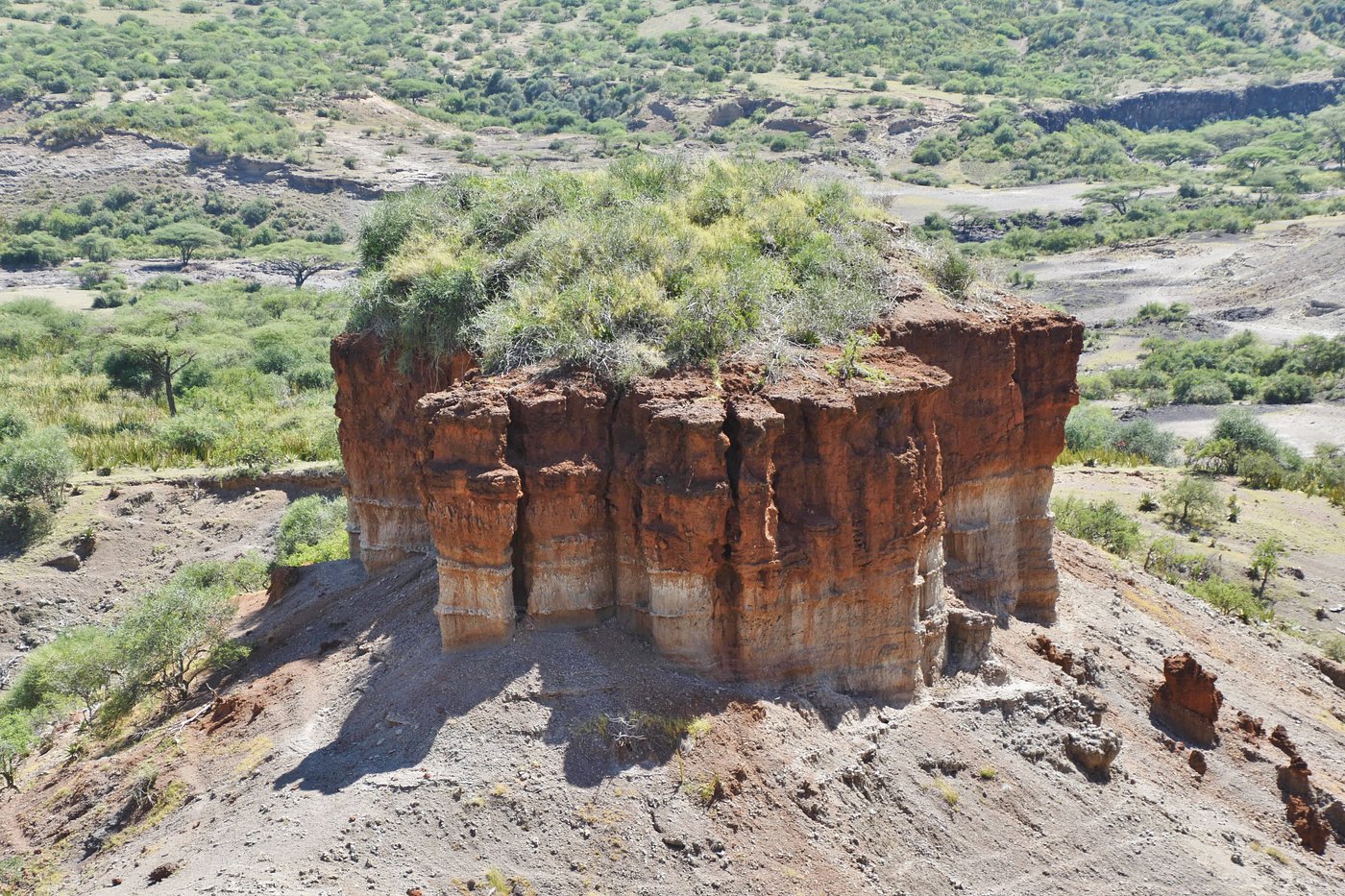
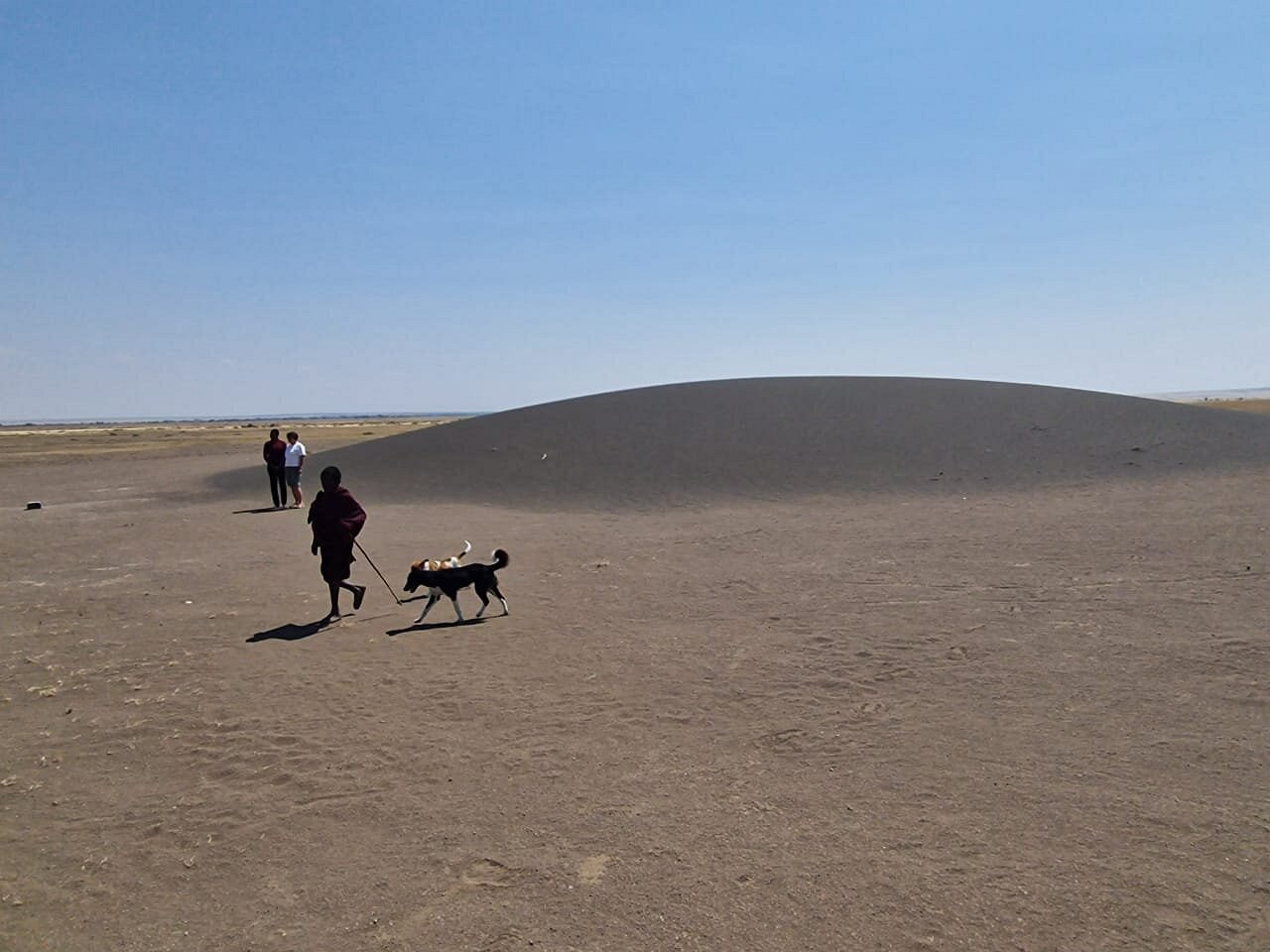
Olduvai Gorge is a 48-kilometer-long ravine in the Eastern Serengeti Plain that cuts through layers of ancient sediment to expose 2 million years of geological and human history. It is considered the most important site in the world for understanding human evolution, earning it the title the cradle of humankind.The Leakey Discoveries
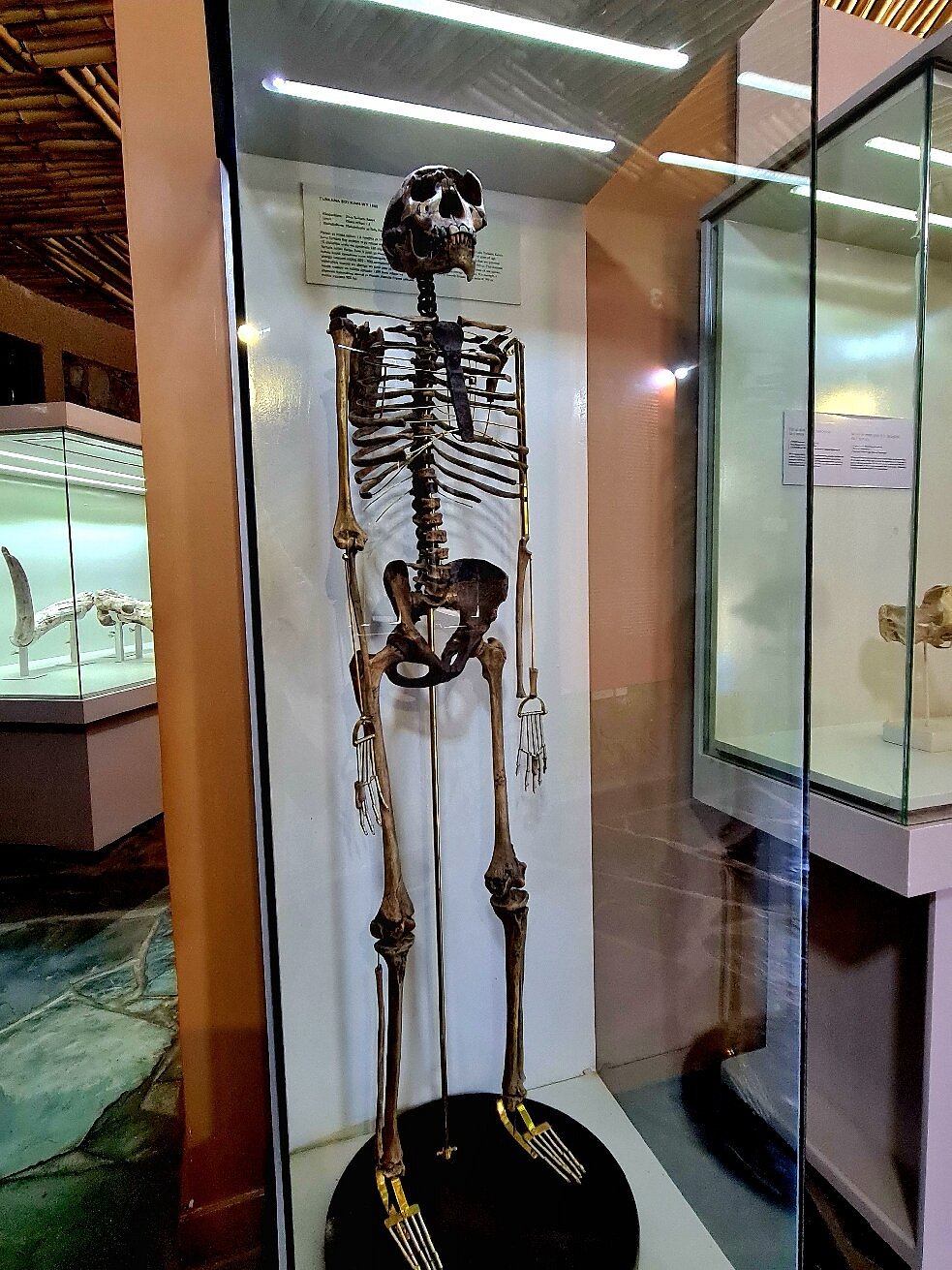
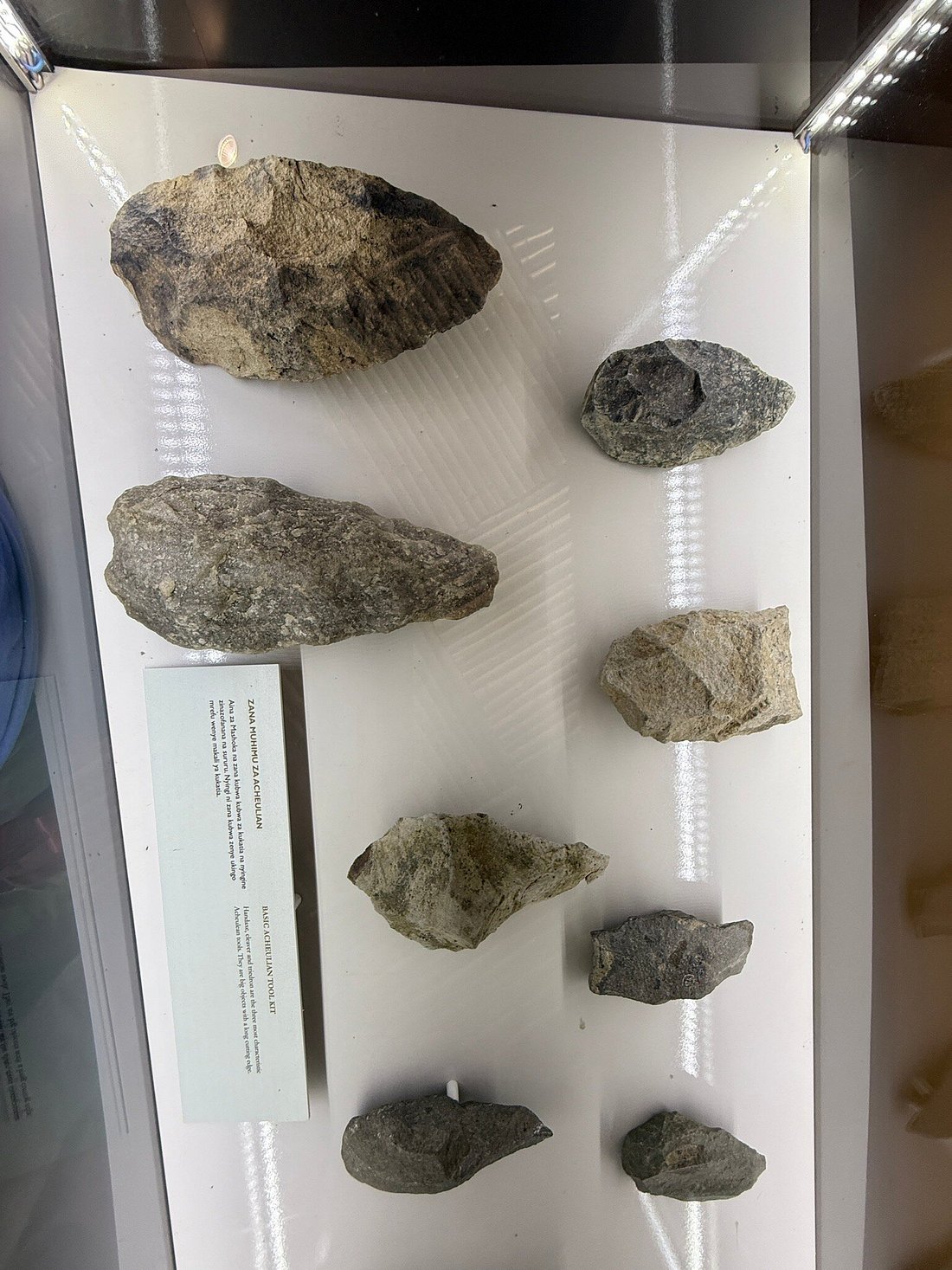
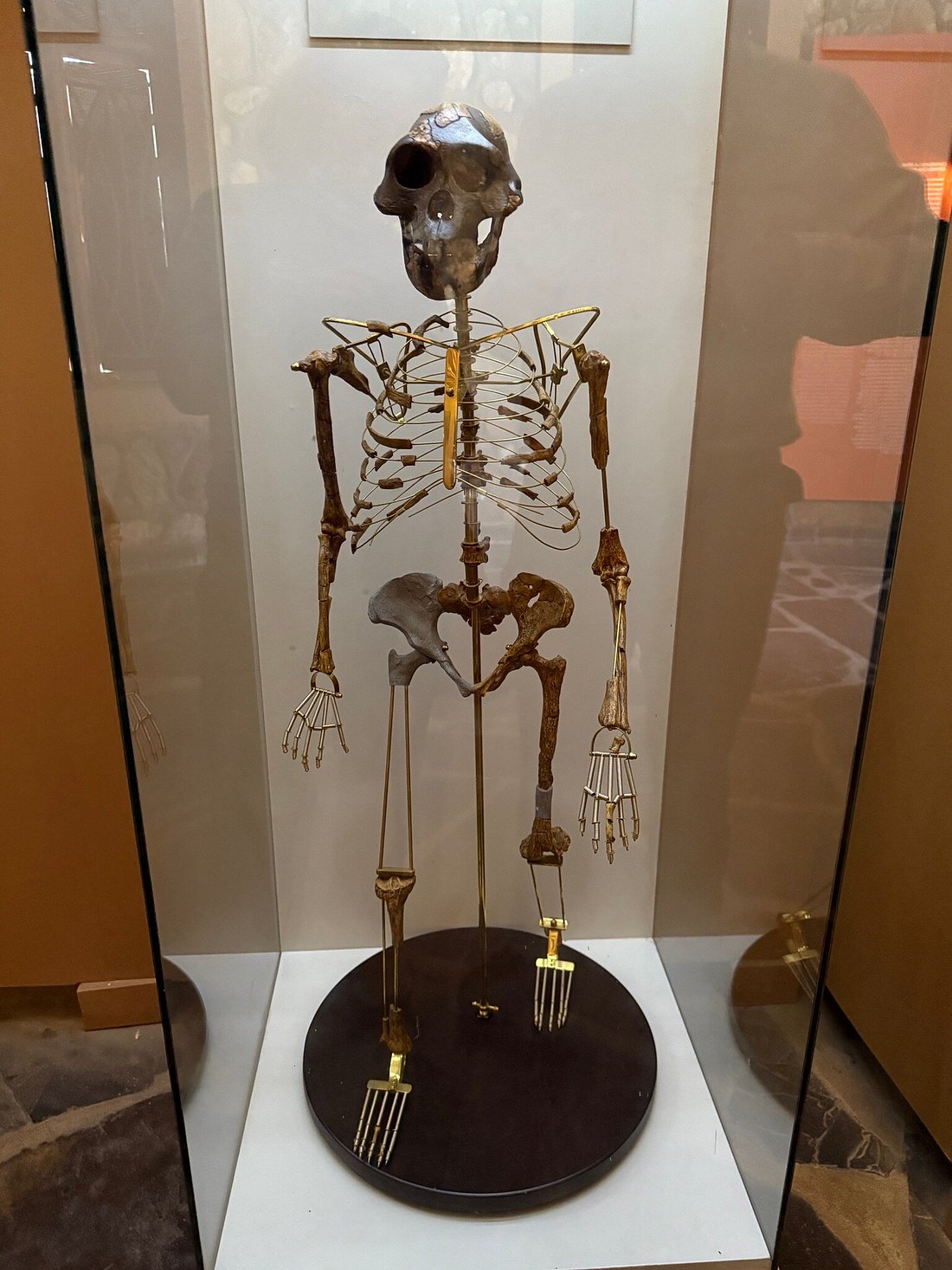
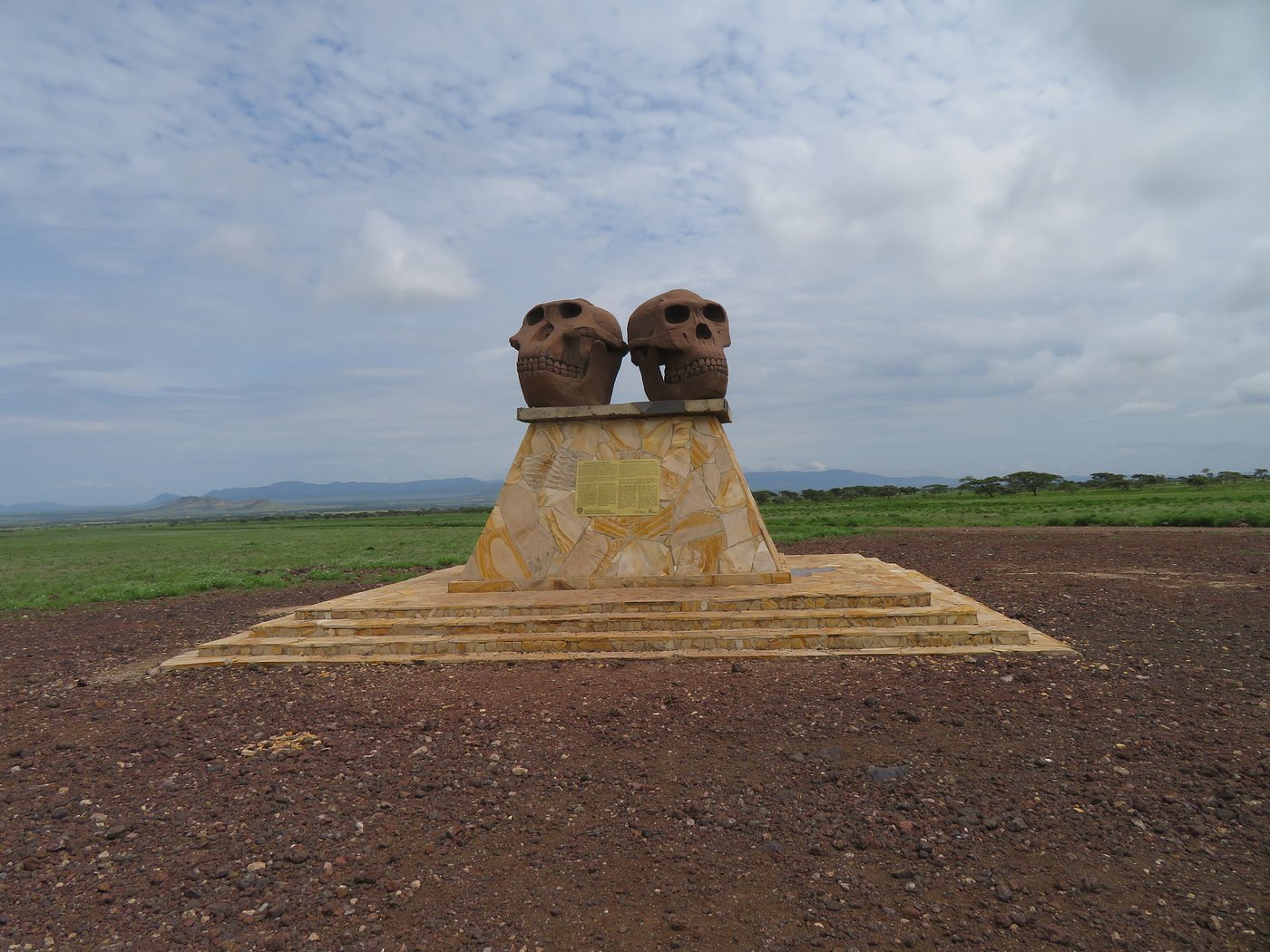
British-Kenyan paleoanthropologist Louis Leakey and his wife Mary Leakey conducted excavations here from the 1930s onward. In 1959, Mary Leakey discovered the skull of Zinjanthropus boisei, now known as Paranthropus boisei, a robust hominid that lived approximately 1.75 million years ago. Subsequent excavations revealed Homo habilis fossils and over 60 artifact-containing layers representing different periods of human technological development.The Site Museum
A small but informative museum at the gorge explains the significance of the discoveries with exhibits of fossil casts, stone tools, and a detailed timeline of hominid evolution. Guided walks to the gorge floor allow visitors to see the exposed rock layers that represent millions of years of deposits and understand how the archaeological record forms.Visiting Olduvai
Olduvai Gorge lies on the main road between Ngorongoro Crater and the Serengeti, making it a natural stop on any Northern Circuit safari. A 1 to 2 hour visit here adds profound historical depth to the wildlife experience of the wider Serengeti ecosystem.Key Highlights
✓ Fossil Site,
✓ Leakey Museum,
✓ Human Prehistory,
✓ Rift Valley Landscape,
✓ Research Legacy
Photo Gallery