Lake Manyara National Park — Overview
A Compact Park with Extraordinary Diversity
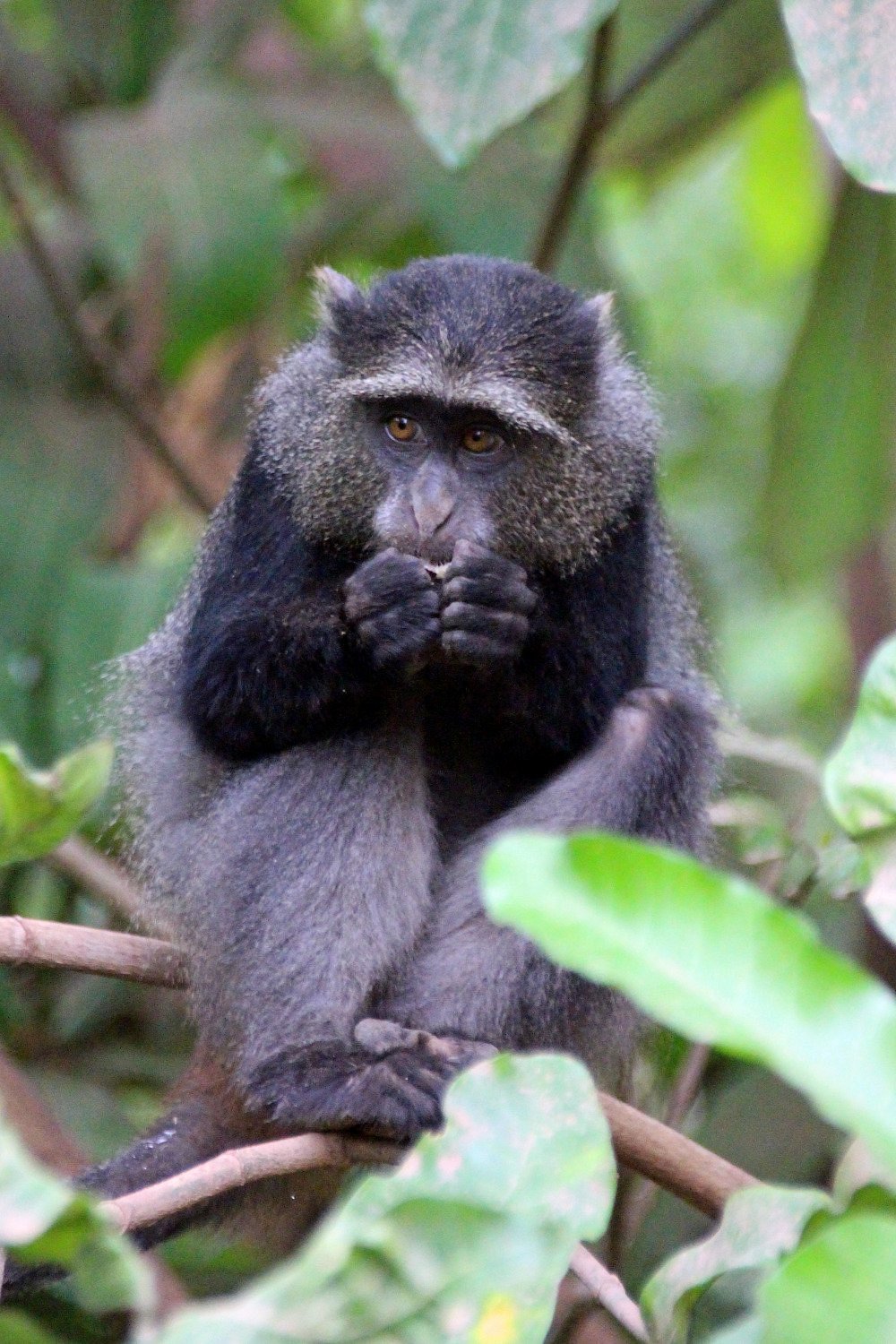
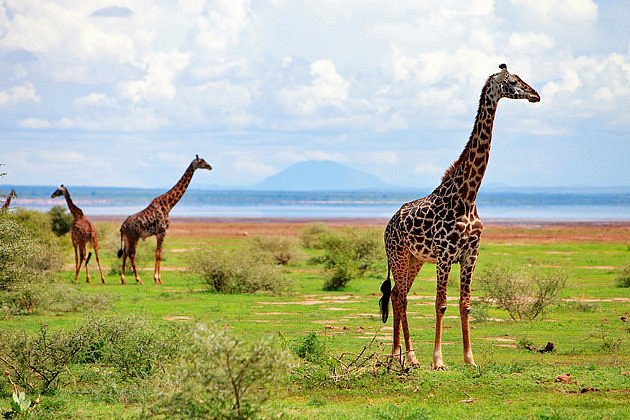
Lake Manyara National Park covers only 648 square kilometers, but its ecosystem contains more biological diversity per kilometer than almost any other park in Tanzania. The park sits at the base of the dramatic Rift Valley escarpment, with a soda lake covering approximately two-thirds of its area and a narrow strip of groundwater forest, open grassland, and acacia woodland along the lakeshore.The Famous Tree-Climbing Lions of Manyara
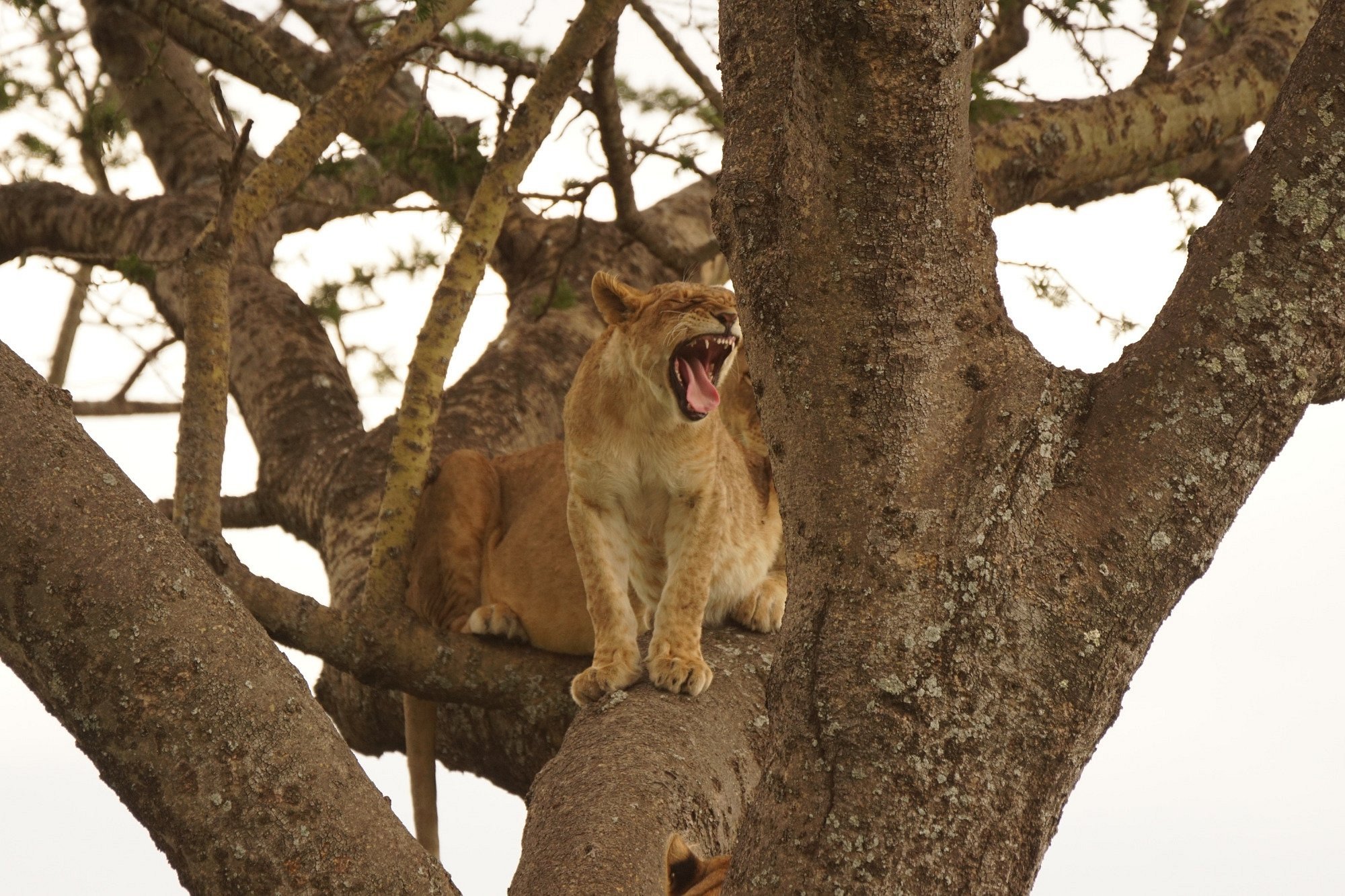
Lake Manyara is internationally famous for its tree-climbing lions, a behavior not fully understood and rarely observed elsewhere in Africa. The lions here regularly rest in the branches of large fig and acacia trees, sometimes several animals at once, providing spectacular photographic opportunities. The behavior is thought to be related to shade-seeking and insect avoidance.Flamingos and Birdlife
When water conditions are right, Lake Manyara hosts thousands of lesser and greater flamingos on the shallow alkaline lake surface. Flocks can number in the tens of thousands, creating one of the most visually stunning natural displays in East Africa. The park has over 400 recorded bird species including pelicans, storks, herons, and kingfishers along the lakeshore.Best Combined with Ngorongoro or Tarangire
Lake Manyara makes an excellent first or last stop on a Northern Circuit safari due to its location near Arusha and Ngorongoro. A half-day or full-day game drive here can precede the longer circuit while providing an immediate introduction to Tanzania's wildlife.Key Highlights
✓ Tree-Climbing Lions
✓ Flamingos
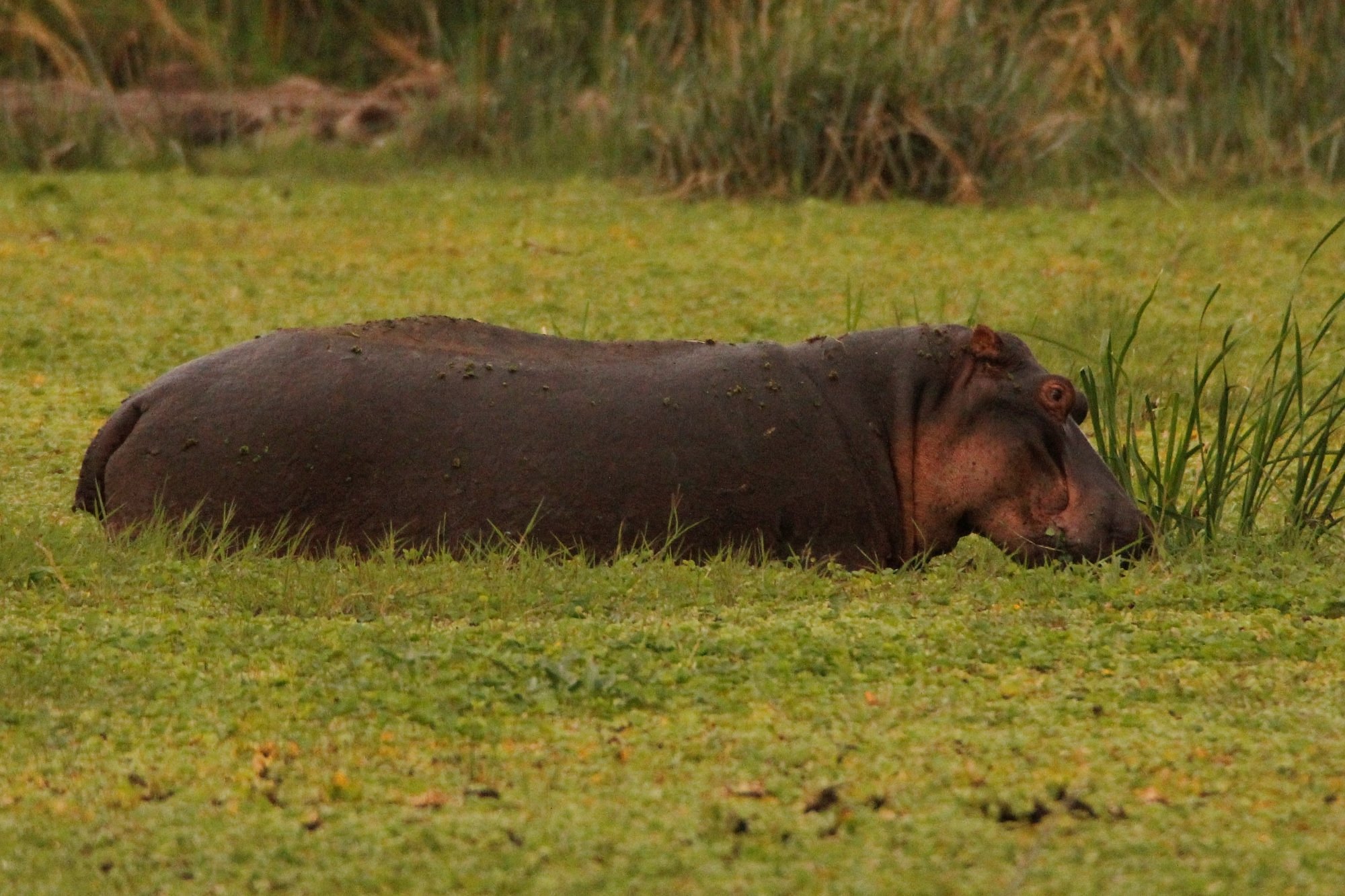
✓ Hippo Pool
✓ Groundwater Forest
✓ Rift Valley Escarpment
Photo Gallery