Calving Season Experience in Ndutu – Southern Serengeti — Overview
One of Nature's Most Remarkable Events
Between January and March, approximately 400,000 to 500,000 wildebeest calves are born in the short grass plains of Ndutu and the southern Serengeti in a synchronised calving event that is one of the most extraordinary phenomena in the natural world. The strategic advantage of mass calving is simple: by producing so many calves simultaneously, the herd overwhelms the capacity of predators to take them all, ensuring enough survive to sustain the population.
The First Minutes of Life
A wildebeest calf is on its feet within 3 to 5 minutes of birth and running alongside its mother within 30 minutes. This rapid development is a survival adaptation in a landscape filled with predators. Watching a birth from a safari vehicle — common during peak calving because births happen continuously across the plains — and seeing the calf make its first unsteady steps is one of the most moving experiences in all of safari travel.
Predator Concentration and Activity
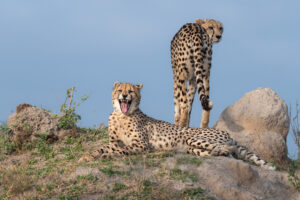
The calving plains draw the highest concentration of predators in the Serengeti ecosystem. Lion prides, up to 30 or more animals in the largest super-groups, hunt continuously. Cheetah mothers with cubs take advantage of the abundant young prey. Hyena clans and wild dogs patrol the edges of herds. The predator-prey interactions during this period are more concentrated and observable than at any other time of year.
Ndutu – A Unique Location
Ndutu lies in the southern Serengeti-Ngorongoro interface, accessible from both the Ngorongoro Conservation Area and the Serengeti. The flat, open grassland vegetation provides excellent visibility in all directions, making it one of the best game drive environments in Tanzania regardless of season. During calving, it is unrivaled.
Safari Packages for This Experience