The Ngorongoro Crater is one of Africa’s most extraordinary safari destinations. Often called the “Eighth Wonder of the World,” this massive volcanic caldera is home to an incredible concentration of wildlife within a relatively small area, making it one of the best places in Tanzania for unforgettable animal encounters.
Surrounded by towering crater walls and filled with grasslands, forests, swamps, and soda lakes, the crater creates a natural sanctuary where thousands of animals live year-round. From powerful predators to rare endangered species, every game drive inside the Ngorongoro Crater offers thrilling moments and breathtaking scenery.
Whether you are visiting Tanzania for the first time or returning for another safari adventure, these are the top 10 wildlife encounters you should look forward to inside the Ngorongoro Crater.
1. Spotting the Rare Black Rhino
One of the most exciting wildlife experiences in the Ngorongoro Crater is seeing the endangered black rhino.
The crater is one of the few places in Tanzania where visitors still have a realistic chance of spotting these rare animals in the wild. Protected within the crater floor, black rhinos roam the open grasslands and woodland areas under close conservation monitoring.
Although sightings can require patience and good binoculars, spotting one of these magnificent creatures is often the highlight of a safari.
For many travelers, seeing a black rhino completes the famous African Big Five experience.
2. Watching Lions Rest on the Crater Floor
The Ngorongoro Crater is famous for its healthy lion population.
Unlike some other safari destinations where lions can be difficult to locate, lions here are often seen resting openly in the grasslands, near roads, or under acacia trees. Because prey is abundant inside the crater, the lions are relatively relaxed and easy to observe.
You may witness:
- Lion prides resting together
- Cubs playing in the grass
- Male lions patrolling territory
- Hunting behavior during early mornings
The open landscape of the crater provides incredible photography opportunities for lion sightings.
3. Witnessing Massive Buffalo Herds
African buffalo are among the most common large animals inside the crater, but seeing them in huge herds remains an impressive experience.
Hundreds of buffalo often gather across the crater floor, especially near water sources and grazing areas. Their size, strength, and unpredictable nature make them one of Africa’s most respected animals.
Buffalo encounters become even more dramatic when predators are nearby, as lions frequently target weak or isolated individuals from the herd.
4. Encountering Large Bull Elephants
Although elephant numbers inside the crater are smaller compared to parks like Tarangire, Ngorongoro is famous for its enormous bull elephants.
These old males are known for their massive tusks and calm behavior. They are often seen moving slowly through the Lerai Forest or grazing quietly near swampy areas.
Seeing one of these giant tuskers up close is a truly unforgettable safari moment.
Their peaceful presence adds a sense of majesty to the Ngorongoro wilderness.
5. Watching Flamingos at Lake Magadi
At the center of the crater lies Lake Magadi, a shallow soda lake that attracts thousands of flamingos during certain times of the year.
The sight of pink flamingos covering the shoreline creates a beautiful contrast against the surrounding green and golden landscape.
In addition to flamingos, the lake area attracts:
- Hippos
- Water birds
- Hyenas
- Zebras
- Wildebeests
This makes Lake Magadi one of the most scenic stops during a crater safari.
6. Seeing Hyenas Up Close
The Ngorongoro Crater has one of the densest spotted hyena populations in Africa.
Unlike their often misunderstood reputation, hyenas are highly intelligent and fascinating predators. Inside the crater, they are commonly seen moving in groups, scavenging, or competing with lions for food.
Visitors often witness:
- Hyena clans interacting
- Hunting behavior
- Territorial disputes
- Early morning movement across the plains
Their confidence around safari vehicles allows for excellent close-up viewing and photography.
7. Watching Hippos in the Pools
Several hippo pools inside the crater provide great opportunities to observe these enormous semi-aquatic animals.
During the day, hippos gather closely together in muddy pools to stay cool under the African sun. While they may appear calm, hippos are among the most dangerous animals in Africa due to their territorial behavior.
Watching them yawn, interact, and splash in the water is both entertaining and fascinating.
Many safari lunch sites near the pools also offer beautiful views of hippos resting nearby.
8. Cheetah Sightings on the Open Plains
Although cheetahs are less common in the crater compared to the Serengeti, lucky visitors may still encounter them hunting across the open grasslands.
The crater’s wide plains create ideal terrain for these fast predators to scan for prey.
A cheetah sighting is always special because of their elegance, speed, and rarity. Watching one carefully observe nearby gazelles or sprint across the plains is an unforgettable wildlife experience.
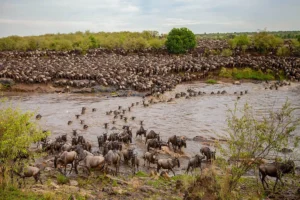
9. Zebra and Wildebeest Herds Across the Savannah
Large herds of zebras and wildebeests roam the crater floor year-round.
These grazing animals form the foundation of the crater ecosystem and attract predators such as lions, hyenas, and jackals.
Seeing thousands of animals spread across the crater floor while surrounded by steep volcanic walls creates one of the most iconic safari landscapes in Tanzania.
The movement of these herds also provides excellent opportunities for dramatic panoramic photography.
10. Experiencing the Big Five in One Day
One of the biggest reasons travelers love the Ngorongoro Crater is the possibility of seeing the African Big Five in a single day.
The Big Five include:
- Lion
- Leopard
- Elephant
- Buffalo
- Rhino
While leopard sightings are less common due to dense forest areas, the crater still offers one of the highest chances in Africa to complete the Big Five checklist during a short safari.
This makes Ngorongoro especially popular for travelers with limited safari time.
Why the Ngorongoro Crater is Unique
What makes the Ngorongoro Crater truly special is the concentration of wildlife within such a compact area.
Because animals rarely migrate out of the crater, game viewing remains excellent throughout the year. The dramatic scenery also adds to the experience, with wildlife roaming beneath towering crater walls formed millions of years ago.
Every safari inside the crater feels immersive, scenic, and incredibly rewarding.
Best Time for Wildlife Viewing
Wildlife viewing inside the crater is excellent year-round, but some seasons offer different experiences:
June to October — Dry Season
Animals gather near water sources, and grass becomes shorter, making wildlife easier to spot.
January to March — Green Season
Beautiful landscapes, newborn animals, and fewer crowds create fantastic photography opportunities.
April to May — Low Season
Rainfall transforms the crater into a lush green paradise with dramatic skies and quieter safari experiences.
Safari Tips for Visiting Ngorongoro Crater
To make the most of your crater safari:
- Start early for the best wildlife activity
- Bring binoculars for rhino sightings
- Dress in layers because mornings can be cold
- Carry a good camera with zoom capability
- Listen closely to your safari guide’s tracking expertise
Most game drives inside the crater last around 5–6 hours due to conservation regulations and the richness of wildlife sightings.
Final Thoughts
A safari inside the Ngorongoro Crater is one of the greatest wildlife experiences in Africa. From endangered black rhinos and giant tusker elephants to lions, flamingos, and massive buffalo herds, every moment inside the crater feels extraordinary.
The combination of incredible wildlife density, breathtaking scenery, and year-round game viewing makes Ngorongoro a must-visit destination for anyone planning a Tanzania safari.
Whether it is your first safari or your tenth, the crater always delivers unforgettable encounters that remain with you long after the journey ends.